





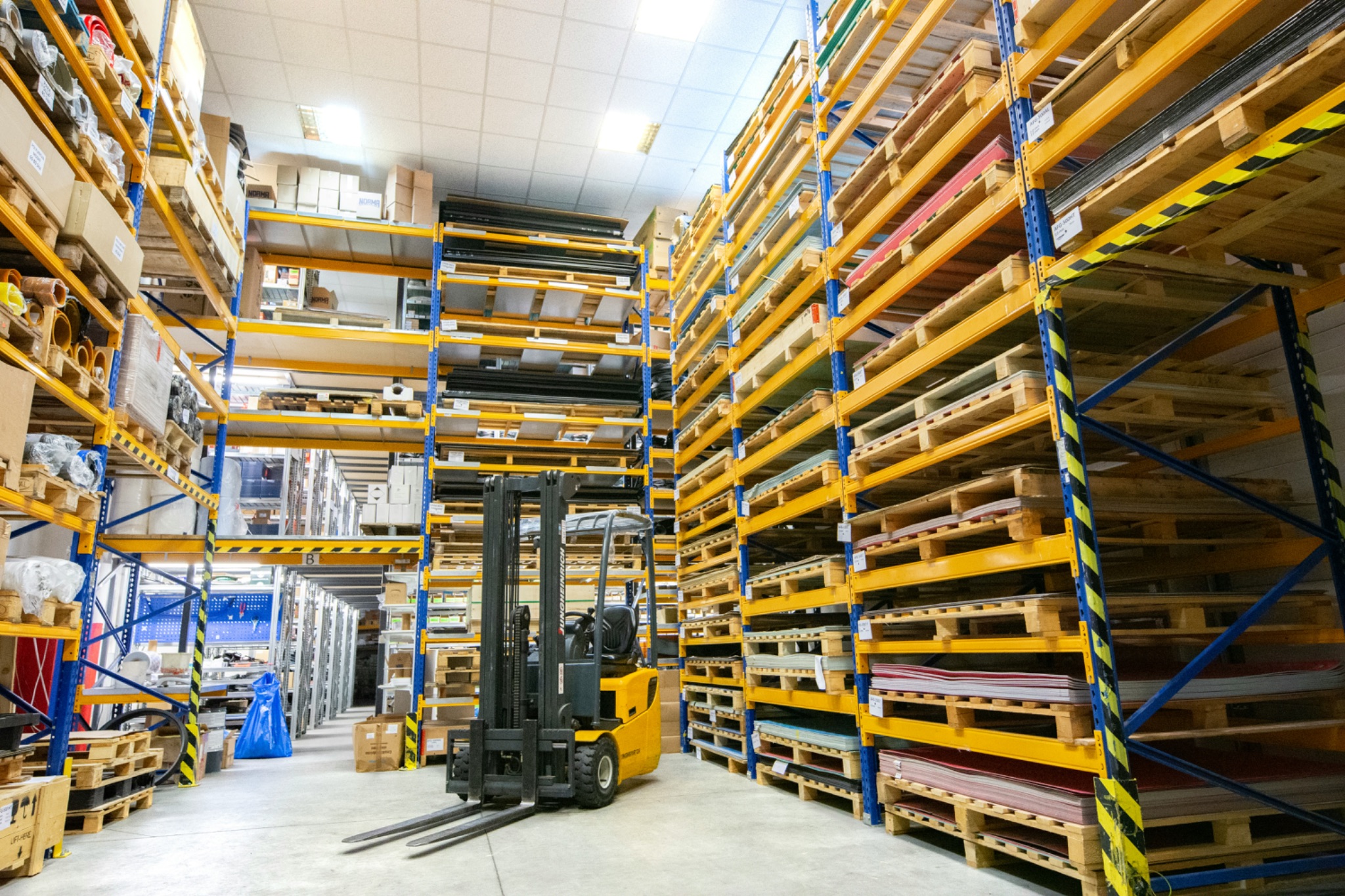
Logistics pallets play a key role in the transportation and storage of goods. These often-overlooked tools are essential for ensuring efficiency, safety, and the smooth flow of operations within supply chains. Their importance lies in their ability to standardize processes, reduce logistics costs, and adapt to a wide range of industries, from food and beverage to heavy manufacturing.
However, behind their apparent simplicity, pallets come in a wide variety of dimensions, materials, and applications. From European pallets (EPAL) to American pallets (ISO), as well as reusable or single-use solutions, each type serves specific needs. Understanding their characteristics and uses is crucial to maximizing their efficiency in modern logistics.
This article provides a comprehensive overview of the different types of pallets, their materials, and strategies for their use to optimize supply chains. Whether you’re looking to improve logistics management or adopt more sustainable solutions, discover how to leverage these indispensable tools.
I – Pallet Dimensions: International Standards and Adaptability
A – The European Pallet (EPAL): The standard for european logistics
The Euro pallet, also known as the EPAL pallet, is the backbone of logistics in Europe. With its standardized dimensions of 800 x 1200 mm, it has become an essential tool for businesses operating within the European Union. Its features include a robust load capacity and durable wooden construction, making it a versatile solution for transportation and storage.
The benefits of the wooden euro pallet go beyond its physical attributes. Its universal format integrates seamlessly into European logistics infrastructures, from automated warehouses to transportation networks. It is also suitable for international shipping, simplifying cross-border trade within Europe.
Additionally, its high load capacity ensures the safe transport of heavy or bulky goods, making it indispensable in industries such as food and beverage, retail, and manufacturing.
B – The American Pallet (ISO): A Standard for North America and Japan
Globally, the American pallet, often referred to as the ISO pallet, is another crucial standard. With dimensions of 1000 x 1200 mm, slightly different from the EPAL pallet, it is primarily used in North America, Japan, and other regions with differing logistics norms. This specificity makes it essential for businesses exporting to or importing from these areas.
The ISO pallets offer similar benefits to their European counterparts but stand out for their compatibility with local logistics systems. For example, they are widely used in the automotive industry and retail distribution in North America. Compared to EPAL pallets, they provide slightly larger dimensions, accommodating specific packaging needs.
C – Small-Size Pallets: Half Pallets and Quarter Pallets
In an increasingly demanding logistics environment, small-size pallets, such as half pallets and quarter pallets, are gaining popularity. These compact formats provide solutions tailored to specific needs in distribution and in-store display.
Half pallets, measuring approximately 600 x 800 mm, are especially popular in urban distribution. Their reduced size makes them ideal for storage in tight spaces while allowing for quick and efficient handling. Quarter pallets, even smaller, make the best display pallets. They enable direct product placement in retail environments, reducing handling costs.
These smaller pallets are well-suited to environments where space is limited, or flexibility is essential. They also help reduce transportation costs and optimize storage space utilization.
By mastering the various pallet dimensions available, businesses can select the format best suited to their specific needs. These international standards and specialized formats enable the optimization of logistics operations, from warehouses to points of sale.
II – Pallet Materials: Choosing Based on Specific Needs
A – Wooden Pallets: Durability and Versatility
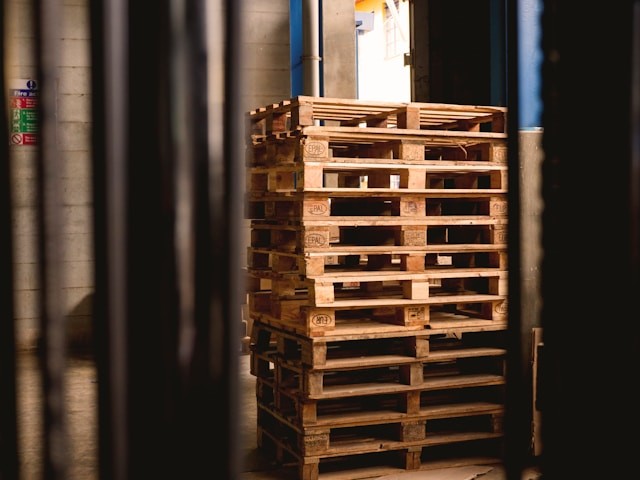
Wooden pallets dominate the logistics market thanks to their strength, affordability, and versatility. Used across numerous industries, they provide a reliable solution for transporting and storing a wide variety of goods. Their ability to support heavy loads, combined with their ease of repair, makes them a favored choice for supply chains.
For exports, wooden pallets must comply with the ISPM-15 standard, which requires heat or chemical treatment to prevent the spread of pests. This compliance is essential for ensuring the acceptance of goods in international trade. Despite their advantages, wooden pallets present challenges such as higher wear-and-tear risks and environmental concerns related to deforestation. However, their recyclability and the use of PEFC- or FSC-certified wood help mitigate these impacts.
B – Plastic Pallets: Hygiene and Durability
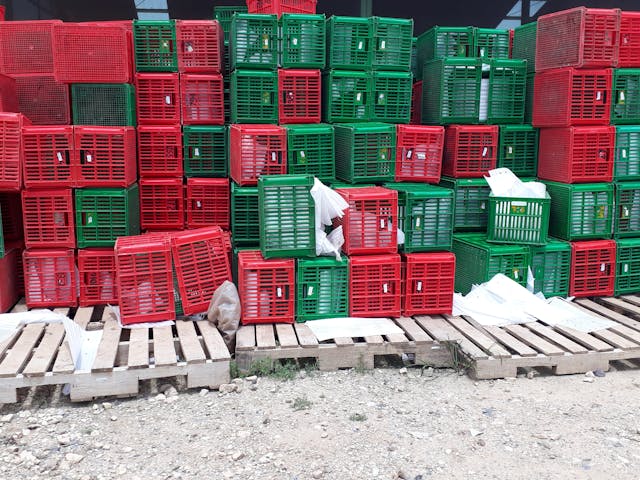
Plastic pallets are a compelling alternative, particularly in industries requiring high hygiene standards, such as food and pharmaceuticals. Unlike wooden pallets, they are resistant to moisture, easy to clean, and free from risks such as splinters or mold.
In terms of durability, plastic pallets are highly resistant and can withstand intensive long-term use. Although they are more expensive upfront, their extended lifespan and lower maintenance costs make them cost-effective over time. They are also often compatible with automated systems, enhancing their utility in modern warehouses. However, their environmental impact can be a drawback, although the increasing use of recycled materials in production is addressing this issue.
C – Metal and Cardboard Pallets: Specialized Solutions
For specific needs, metal or cardboard pallets offer tailored solutions.
- Metal pallets, often made from steel or aluminum, are designed for heavy industries or demanding environments. They can support extremely heavy loads and resist harsh conditions, such as exposure to extreme temperatures. Their durability is unmatched, but their high cost limits their use to specialized applications.
- Cardboard pallets, lightweight and fully recyclable, provide an eco-friendly alternative for single-use shipments. While not suitable for heavy loads or humid environments, they are a cost-effective and sustainable option for businesses aiming to reduce their carbon footprint.
Choosing between metal and cardboard depends on a company’s logistical needs, whether it’s handling extreme loads or reducing costs and environmental impact.
Pallet materials should be selected based on each sector’s specific requirements and the company’s sustainability goals. Combining the advantages of various pallet types can help build a supply chain that is efficient, cost-effective, and environmentally friendly.
III – Pallet Usage Strategies for Optimized Logistics
A – Reusable Pallets: Toward a Circular Economy
Reusable pallets play a crucial role in the transition to more sustainable logistics. Often made from wood or plastic, they are designed for multiple uses, reducing the need for new production. This reuse system is frequently supported by deposit systems or pooling networks, where pallets circulate among various supply chain stakeholders.
The use of reusable pallets offers several benefits. Economically, they reduce long-term costs as their durability eliminates frequent replacements. Environmentally, they minimize waste and encourage efficient resource utilization. In closed-loop supply chains, such as internal logistics networks, captive pallets are optimally managed and reused, reducing losses.
B – Single-Use Pallets: Flexibility and Cost
Despite sustainability efforts, single-use pallets remain important in logistics, especially for specific scenarios. These pallets, often made of wood or cardboard, are designed for one-time shipments or destinations where pallet returns are not economically viable.
Single-use pallets are particularly suitable for international exports or shipments to remote markets. Their low initial cost makes them a flexible solution for immediate needs. However, their environmental impact is a significant concern. To mitigate this, recycling programs and recovery initiatives can ensure more responsible management of single-use pallets.
C – Specialized Pallets: Meeting Industry-Specific Requirements
Certain industries require pallets specifically designed to meet regulatory or operational needs. For instance, CP pallets, widely used in the chemical industry, are built to ensure safety and compliance with hazardous materials transport regulations. These pallets are robust and resistant to chemical exposure, ensuring safe handling.
Other innovations include customized pallets tailored to specific supply chains. Companies now develop modular, foldable pallets or those equipped with RFID chips for real-time tracking. These innovations enhance logistics efficiency while addressing the unique demands of industries such as automotive, pharmaceuticals, and food.
Conclusion
Logistics pallets, while seemingly simple, are strategic components at the heart of supply chains. Their diversity in dimensions, materials, and applications enables businesses to meet a variety of needs, from international standardization to sector-specific solutions.
Whether reusable to support a circular economy, single-use for one-off shipments, or specialized for industry demands, pallets offer opportunities for optimization at every stage of logistics. By carefully selecting the appropriate pallet types and integrating innovative strategies, companies can enhance their efficiency while adopting sustainable practices.
Rethinking pallet management is not only about optimizing the supply chain but also about contributing to a more responsible and competitive future.
Are you ready to unlock the full potential of pallets to transform your logistics ?