





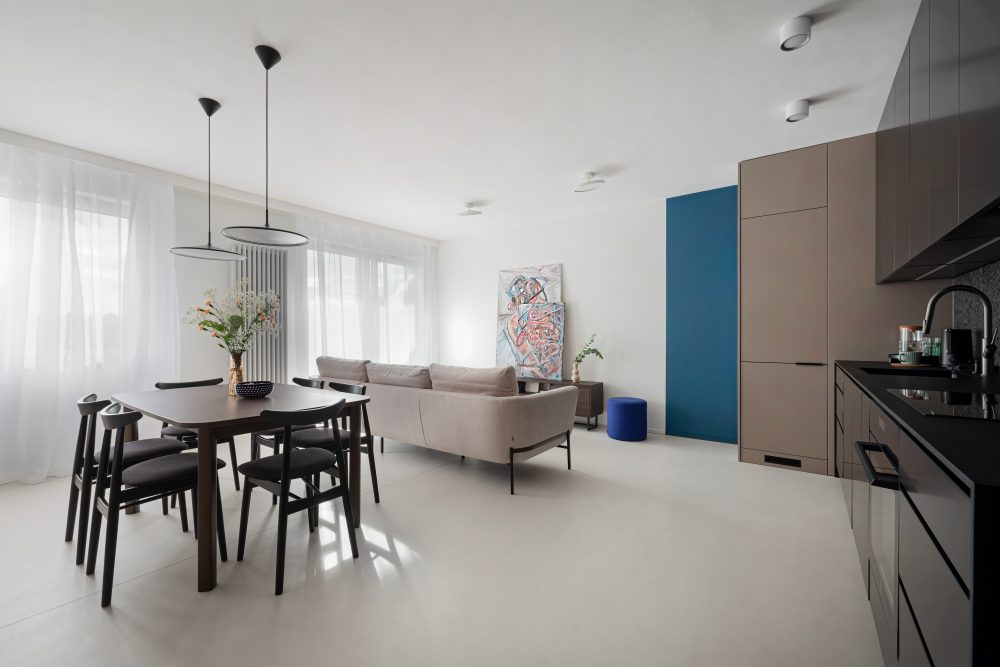
Are you contemplating microcement for your interior but feeling uncertain about which colour to choose? Selecting the ideal shade can dramatically enhance both the aesthetics and functionality of your space, yet the vast array of options often leads to hesitation. This comprehensive guide delves into the latest colour trends, offers expert advice on selecting and harmonising microcement colours with your existing decor, adapts to seasonal design shifts, and provides essential maintenance tips to keep your surfaces looking vibrant and enduring. By addressing common challenges and showcasing practical solutions, you’ll gain the confidence to transform your home with the perfect microcement colours.
Trending Colour Palettes for Modern Microcement Designs
The world of microcement is ever-evolving, with colour trends shifting to meet contemporary tastes. According to the latest interior design reports, homeowners and designers alike are gravitating towards earthy tones and sophisticated neutrals that offer both aesthetic appeal and functional versatility. These palettes not only enhance the visual warmth of a space but also provide a seamless backdrop for various decor styles.
These top trending colours are celebrated not just for their beauty but also for their ability to adapt to different functional needs. For instance, Slate Grey offers a sleek, modern look perfect for high-traffic areas like kitchens and bathrooms, while Warm Beige creates a cosy and inviting atmosphere ideal for living spaces. The popularity of these colours stems from their versatility and the subtlety they bring to any interior design, making them favourites among both designers and homeowners seeking to enhance their spaces with microcement.
Selecting the Perfect Shades for Your Space
Choosing the right colour palette for your microcement application can transform any space from mundane to mesmerizing. Start by assessing the room size—light shades like soft whites or pale greys can make smaller areas feel more expansive, while deeper tones add warmth and coziness to larger rooms. Natural lighting plays a crucial role; spaces drenched in sunlight can handle bolder colours, whereas dimmer rooms benefit from lighter hues to reflect available light effectively.
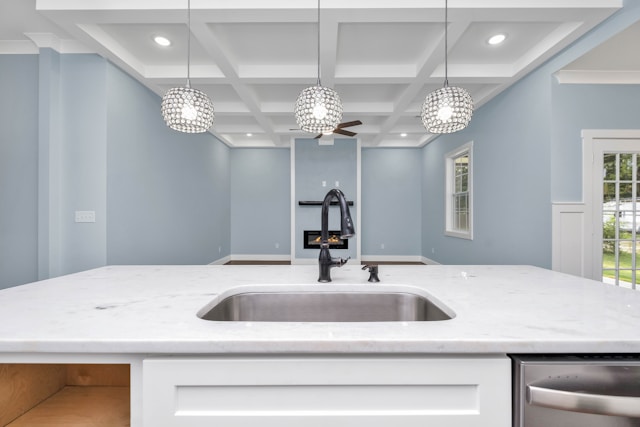
Here are some key considerations to guide your decision:
- Natural Light Availability: Rooms with ample sunlight can support vibrant colours, whereas shaded areas thrive with neutral or pastel tones.
- Existing Furnishings: Ensure your chosen shades complement the furniture and décor. For instance, a neutral microcement floor pairs seamlessly with colourful or patterned furnishings.
- Room Purpose: Functional spaces like kitchens and bathrooms might benefit from practical, easy-to-maintain colours, while living rooms and bedrooms can be more expressive.
Imagine a compact kitchen with light grey microcement—it instantly feels airy and spacious, allowing you to experiment with colourful backsplash tiles without overwhelming the space. In contrast, a spacious living room adorned with a rich taupe microcement floor creates a sophisticated backdrop that highlights statement furniture pieces. Experts recommend sticking to neutral tones for areas meant for relaxation and socialising, ensuring a versatile and timeless aesthetic.
When it comes to colour combinations, don’t be afraid to mix and match. Pairing a warm beige microcement with cool blue accents can create a balanced and inviting environment. Alternatively, combining charcoal microcement with metallic fixtures adds a touch of modern elegance. Tailoring your colour choices to the specific needs and characteristics of each room ensures a harmonious and stylish outcome.
Check colours of microcement: https://www.festfloor.com/
Integrating Microcement Colours with Your Interior Design
Selecting the perfect microcement colours is pivotal in achieving a harmonious interior design. By thoughtfully combining these colours with your existing furniture, fixtures, and décor elements, you can create a space that feels both cohesive and visually appealing. Whether you prefer a subtle blend or a bold statement, the right colour integration can elevate the overall aesthetic of your home.
Consider the following tips to effectively match or contrast microcement colours within your interior:
- Complementary Tones: Pair microcement shades with complementary colours in your furniture and accessories to create a balanced look.
- Monochromatic Schemes: Use varying tones of the same colour to add depth and interest without overwhelming the space.
- Accent Highlights: Introduce contrasting microcement colours as accent walls or features to draw attention and add character.
For instance, a recent renovation project featured a warm terracotta microcement floor that beautifully contrasted with cool blue upholstery and metallic light fixtures, resulting in a dynamic and inviting environment. To inspire your design, creating a mood board with selected microcement colours alongside your existing décor can help visualize how different elements interact, ensuring a seamless integration that enhances the overall theme of your space.
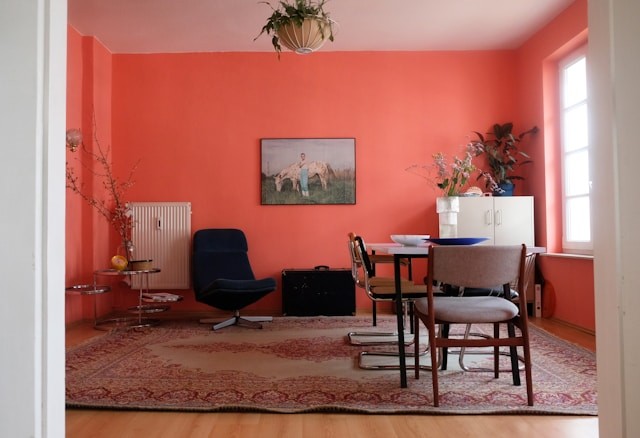
Seasonal Colour Trends and Microcement Adaptations
The ever-evolving nature of seasonal colour trends demands materials that can seamlessly adapt to shifting preferences. Microcement, renowned for its versatility and aesthetic appeal, stands out as the perfect choice for homeowners looking to stay ahead of the curve. Whether you’re dreaming of the fresh pastels of spring or the warm, rich tones of autumn, microcement can be tailored to reflect each season’s unique palette.
Take, for instance, a spring-inspired living room featuring light blue microcement floors that evoke a sense of tranquility and renewal. Contrast this with a summer kitchen sporting vibrant yellow microcement countertops that infuse energy and warmth. In autumn, deep red microcement accents can transform a bathroom into a cozy retreat, while winter-themed microcement in cool greys or navy can lend a sophisticated, serene atmosphere to any space. The true beauty of microcement lies in its ability to deliver both bold statements and subtle nuances, ensuring your interiors remain stylish and relevant all year round.
In conclusion, embracing seasonal colour trends with the adaptability of microcement allows for dynamic and personalised interior designs. By thoughtfully selecting colours that resonate with each season, you can create spaces that not only look stunning but also feel perfectly in tune with the time of year. Let microcement be your canvas for continuous creativity and enduring style.
Ensuring Long-Lasting Colour in Microcement Applications
Keeping the vibrancy of your microcement surfaces is essential for maintaining their aesthetic appeal and functionality. With proper maintenance, you can ensure that your chosen colours remain stunning for years to come.
- Regular Cleaning: Use a soft cloth or mop with a mild detergent to clean surfaces weekly. Avoid abrasive cleaners that can strip the colour.
- Protective Coatings: Apply a high-quality sealant every 1-2 years to protect against stains and fading caused by UV exposure and daily wear.
- Avoid Harsh Chemicals: Steer clear of bleach-based or acidic cleaners that can damage the microcement and alter its colour integrity.
- Immediate Spill Management: Promptly wipe up any spills to prevent staining and discoloration, especially from liquids like wine or oils.
Implementing a consistent upkeep routine not only preserves the aesthetic of your microcement but also extends its longevity. Experts recommend incorporating these practices into your regular maintenance schedule to keep your surfaces looking their best. Investing a little time now can save you from costly touch-ups and ensure that your microcement remains a standout feature in your space.